by Natasha T. Brown
The idea of “group think” is often viewed as negative, with connotations of “yes men” within a group who simply agree with what their (perceived) leader says, without offering any push back, counter thoughts and analytical thinking of their own.
In my years of collaborating with various creative departments and companies, and establishing Think Brown INK, a creative think tank and branding agency, I’ve come to learn that “group think” is actually positive and can lead to solving complex solutions in creative ways. But there is a way to do “group think” right and there is a way to do it wrong. Below, I’ll discuss a method that I’ve found effective, and explain why.
“The Build Up Strategy of Group Think”
1. Understand Pre-existing conditions
2. Intention
3. Divergent Thinking
4. Convergent Thinking
5. Test the Hypothesis
6. Build Legs Around Proposed Solutions
Author Michael Michalko, who is a creativity thought leader and consultant to various companies, wrote an article called “What You Think About You Bring About.” In this piece he explains that with intention comes direction. “Intention has a way of bringing to our awareness only those things that our brain deems important.” Contrarily, “If you have no intention to be or to do something, your thoughts are disordered, with no direction, much like the tiny spins on the left” below. The magnet pins on the right represent a brain with intention.

In “group think” situations, it’s important that each party first have a common intention to solve the problem at hand. In other words, no one on the team should have their own agenda at hand.
Secondly, the next phase of the process in creative group thinking and problem solving comes from brainstorming.
Divergent thinking is a thought process or method used to generate creative ideas by exploring many possible solutions. When I worked in the marketing department of a financial institution, every three months or so, our four to five person staff was tasked with the idea of coming up with creative ways to market the most relevant product or sales campaign of the season, be them a new mortgage, auto loans, student checking and banking packages, so on and so forth. We would sit in a boardroom, and we would throw out different themes and messages that would ultimately lead us down a creative path.
Of course we would first know the pre-existing conditions, which would then eliminate certain thoughts or ideas. If you’re on a team, that operates within a corporate structure, in a competitive business climate or within a strict budget, it’s important to know what has already happened that may prevent your team’s ideas from coming to fruition.
In brainstorming sessions, it’s important that each creative thinker involved have the same opportunity to share their thoughts and ideas. In this phase there are no bad ideas. Each idea can be equally assessed to the likelihood of it’s selling power. Write each one down and then make assessments. It’s important to write each idea down, in the form of a list, brain map or some other creative thinking structure, because you may have to come back to them.
Oftentimes, muddy waters come into play when the group does not understand the process – time and place of divergent and convergent thinking. Divergent thinking comes first, to allow people to think freely, while convergent thinking follows to allow your group to solve problems.
Divergent thinking means the ability to give the “correct” answer to standard questions that do not require significant creativity. During this process, you are creating the facts around the creative solutions. If you’ve ever been in a “brainstorming session” when someone pushes their ideas as fact, versus being open to others’ opinions, you understand where the dilemma arrives during group strategy and thinking sessions, when someone places these two processes out of order.
Test your hypothesis from your brainstorming sessions to determine possible outcomes. If the likely solutions align with your hypothesis then you’re on the right track.
Finally, with everything we discuss here, build the legs around your ideas. If you hit roadblocks and aren’t able to fully see how your ideas can grow to meet your desired solutions, audiences, or intentions, then you must go back to the drawing board. Depending on the problem, these legs may include answers to questions like, “How will we market this? Who will be involved? Is this idea newsworthy? Can we teach this concept to our people? How will we explain it? Who is the audience? Will it offend anyone?”
There are a number of questions that you must consider when building legs around an idea or solution, however, if you first begin with intention, and a brainstorming process that is open and includes various minds who have varied backgrounds, quite often, additional ideas would have been considered.
Do you have additional thoughts on the strategy of group think problem solving?


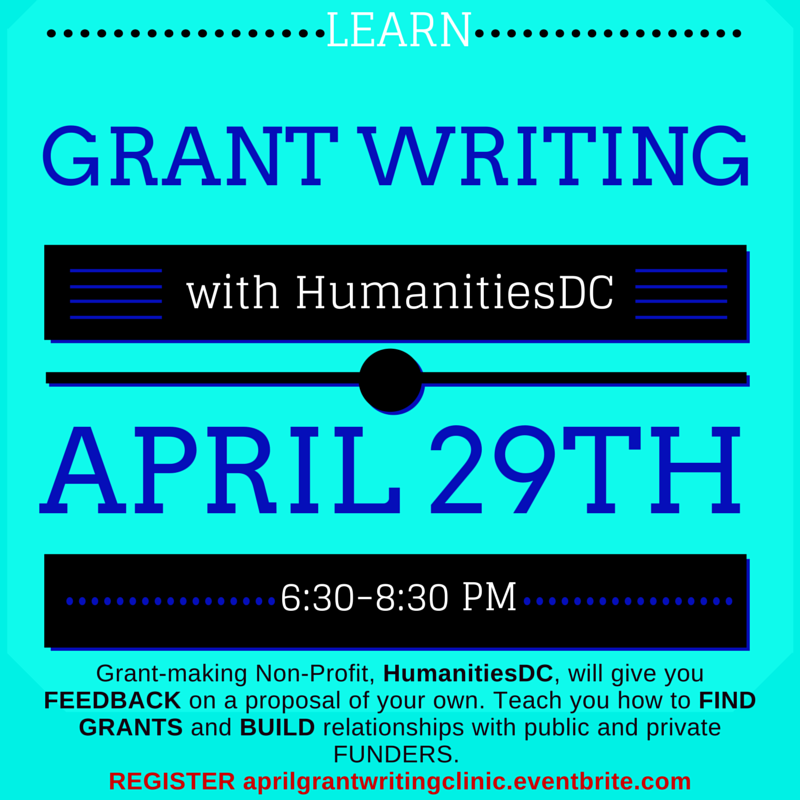 Go beyond the basics of proposal writing, and strengthen your grant proposal at HumanitiesDC’s Grant Writing Clinic on April 29th. Open to grant-writers at all experience levels, this Grant Writing Clinic will give personal feedback to each participant on one of their own grant proposals, while providing them with the fundamental knowledge to strengthen their fundraising efforts.


 Think Brown INK